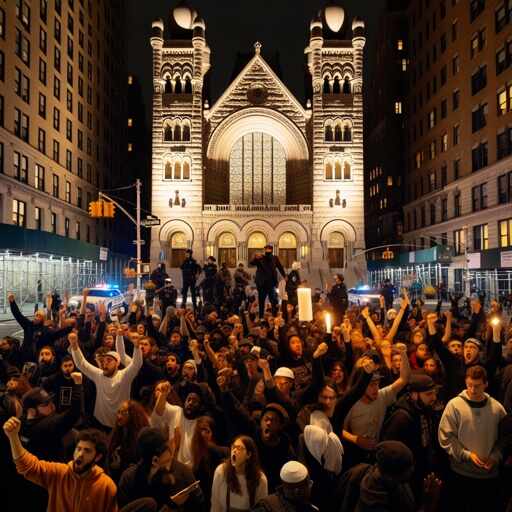
A small group of protesters and one landlord just shut down a new queer arts venue in a former Sydney church by calling its shows “offensive trade” that insulted millions of Christians.
Story Snapshot
- A deconsecrated Sydney church turned LGBTQ+ venue, Divine Playhouse, was ordered to stop “offensive trade” and closed days after opening.
- About 70 Christian protesters held a prayer vigil, saying drag performances and planned “exorcisms” mocked their faith.
- The landlord’s breach notice said the venue “insulted and mocked” the beliefs of “millions of Christian Australians” and threatened lease termination.
- The venue had government arts funding, raising questions about free expression, respect for religion, and who really holds power in cultural fights.
How a New Queer Venue in a Former Church Was Shut Down
Divine Playhouse opened in early July inside a deconsecrated, heritage-listed church in central Sydney, set up as a queer arts, music, and nightlife space. The venue was backed by a state arts grant and aimed to give LGBTQ+ performers an affordable place to create and share their work. Within days of opening, though, its shows and marketing — including drag performers dressed as nuns and plans for “live exorcisms” — drew angry attention from Christian groups who saw the concept as mocking sacred symbols.
On opening night, about 70 Christians gathered outside the building for a prayer vigil and protest. They sang hymns, prayed the rosary, and held signs calling the venue “blasphemous” and warning that it ridiculed religious beliefs. Catholic men’s groups and other Christian networks used social media to condemn the imagery and pushed followers to pressure the government to withdraw the venue’s $100,000 grant. This mix of public protest and targeted lobbying quickly turned a niche arts project into a national culture fight.
The Landlord’s “Offensive Trade” Notice and Sudden Closure
Within a week of the protests, the building’s owner, KCSYD Pty Ltd, sent Divine Playhouse a formal breach notice. The notice ordered the tenant, an events company called HG Events, to “cease engaging in offensive trade” within two days or face termination of the lease. It claimed the venue had “insulted and mocked the sincerely held religious beliefs of millions of Christian Australians” and said its shows caused “grievance and disturbance” to neighbors and the general public.
The venue’s organizers say they closed “preemptively” in response, cancelling all events and warning staff and artists that their future was uncertain. They argue they followed the lease and safety rules and that the real trigger was political pressure and outrage, not noise or physical damage. Meanwhile, New South Wales Premier Chris Minns has said officials will review whether the venue’s activities match what was promised in the grant application. That puts government funding, landlord power, and community anger on a direct collision course.
Free Expression, Respect for Faith, and Who Really Has a Voice
Christian protesters and supporters say the venue crossed a clear line by turning religious symbols into what they see as mocking entertainment. For them, drag performers dressed as nuns and staged “exorcisms” are not harmless jokes but direct insults to beliefs they hold deeply. They argue that public money and prime city property should not support what they see as attacks on faith, especially when many Christians already feel pushed aside by modern cultural trends and elite tastes.
🔴 Sydney LGBTQ+ venue ordered to shut after church-groups protest opening
Divine Playhouse, a venue in a deconsecrated 150-year-old church in Sydney's CBD, cancelled weekend events after its landlord issued a notice of breach demanding it cease "offensive trade" by Saturday or… pic.twitter.com/Lgcp2qTNvB
— NewsTongue (@NewsTongueX) July 14, 2026
Queer artists and patrons see the shutdown very differently. They say LGBTQ+ people have long been driven out of churches and faith communities, and turning a deconsecrated church into an inclusive arts space was meant as healing, not harm. To them, losing the venue days after opening — because a small group objected — feels like proof that powerful institutions still decide whose stories get told. Some point out that this tactic, using vague “offensive trade” clauses after protests, has been used before to squeeze out unpopular tenants, and courts have rarely tested how fair those clauses really are.
What This Fight Reveals About Power and Trust in Institutions
For many everyday people, the Divine Playhouse story taps into a bigger sense that systems are rigged and out of touch. Religious conservatives see a government-backed project using a former church to play with exorcisms and mock nuns and feel like elites in arts and politics enjoy sneering at their beliefs while ignoring rising costs, crime, and social breakdown. At the same time, queer communities see politicians and landlords move fast when a small but loud group complains, but move slow when they ask for safety, housing, or mental health support.
That shared frustration points to a deeper problem. Whether someone is angry about “woke” art or angry about conservative pressure, many feel big decisions are made far above them, by landlords, bureaucrats, and political insiders. The Divine Playhouse did not close because a broad, calm debate settled the question; it closed because one property owner and a brief wave of outrage had the power to demand silence. In that sense, the story is not only about faith versus queer identity. It is about how quickly cultural fights can be weaponized when contracts, grants, and public spaces are controlled by a small group of gatekeepers.
Sources:
lifesitenews.com, au.rollingstone.com, theguardian.com, noticer.news, cityofsydney.nsw.gov.au, facebook.com