Trump’s State Department blocked a New York City official’s planned meeting with Iran’s U.N. ambassador, exposing a stunning lapse in City Hall judgment while tensions with Tehran run hot.
Story Highlights
- The U.S. State Department intervened to stop the meeting with Iran’s envoy.
- Mayor Zohran Mamdani says he learned of it only after a press inquiry.
- The mayor’s office says the meeting “did not and will not take place”.
- The official involved was reprimanded, according to reporting.
State Department Halts Unauthorized Diplomatic Reach
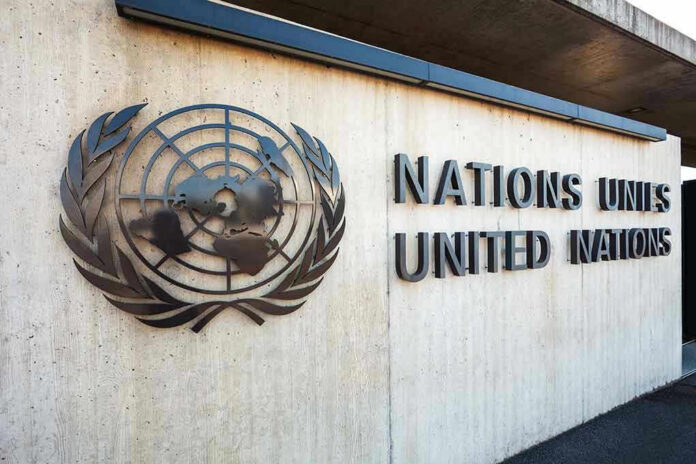
Fox News reported that the meeting between a senior New York City official and Iran’s ambassador to the United Nations was canceled after a last-minute intervention by the United States State Department. The agency later met with the mayor’s office to clarify what conduct is acceptable for city officials in foreign contacts, according to the same reporting. The move underscores federal control over foreign policy. It also shows zero tolerance for local freelancing with an adversary tied to terror and regional aggression.
Coverage placed the plan in a tense global moment. Reports tied the attempted outreach to a period of Iranian missile and drone threats and recent clashes addressed at the United Nations Security Council. That context matters for readers. Tehran’s rulers jail dissidents, back terror proxies, and threaten American lives and allies. Any New York City contact risks granting legitimacy. It also risks mixed signals while the Trump administration applies pressure and defends American interests abroad.
Mayor Claims No Advance Knowledge, Meeting Origin Was External
Mayor Zohran Mamdani told reporters the meeting “did not take place,” “will not take place,” and that he did not know about the plan until a press inquiry alerted him. He added the request came into the office from the outside and did not start with his team. Those statements set the official line: a staff-level error, not a directive from the mayor. He also said the commissioner recognized the mistake and that a new process for requests is being set up.
The mayor’s office for international affairs echoed the cancellation and finality. Reports state the meeting did not and will not happen and that the commissioner was reprimanded for arranging it without notifying the mayor, then told to cancel it. While these details aim to close the matter, they raise process questions. No internal memo or timeline has been released to show who approved what, when, or how the press discovered it. The lack of documents leaves gaps that Freedom of Information requests could answer.
Gaps In Documentation Keep Accountability Questions Open
Key claims remain hard to verify without records. Reporters have not seen calendar entries, email threads, or written reprimands to prove the mayor’s lack of notice or the official’s acknowledgment of error. City Hall says a new intake process is coming, but no draft policy or date has been shared. City government serves the public, not foreign regimes. Clear logs and a paper trail would help show this was a one-off lapse rather than a culture of casual contact with hostile actors.
The timeline of the federal intervention also rests on media accounts. City coverage cites a last-minute State Department stop and a follow-up meeting to draw boundaries. That is consistent with federal authority. But no official State Department document has been made public to lock down exact timing. Even so, the bottom line is plain: Washington stepped in to protect national interests and to reassert that cities do not run freelance diplomacy with Iran.
Why Conservatives See A Pattern—and What Comes Next
Conservatives view this as part of a larger trend. Progressive city halls stretch mandates, flirt with global activism, and then claim surprise when Washington clamps down. Iran is not a normal counterpart. The regime threatens shipping, funds terror, and tramples basic rights, issues raised in United Nations sessions and media reports. Meeting such a regime hands it a talking point. It also risks violating norms, and, if lines are crossed, could invite legal scrutiny critics link to the Logan Act narrative in public debate.
BREAKING: Trump’s State Department SHUTS DOWN Iran’s Secret Meeting with Communist NYC Mayor Zohran Mamdani’s Team — Alleged DNI Intel Raises Serious Questions About a Plot to Betray America!
In a bold America First move exposing the radical left’s dangerous games, the U.S.… pic.twitter.com/8YWwQTg4X3
— QThestorm (@17QStorm) July 11, 2026
What should happen now is simple. First, publish the intake logs, calendars, and emails around the request window. Second, release any written reprimand and the new meeting policy with clear rules. Third, reaffirm that all foreign contacts flow through federal channels. Voters deserve proof, not spin. The Trump administration has set a clear guardrail: protect American sovereignty, speak with one voice abroad, and shut down backdoor talks that could weaken our hand when dealing with hostile regimes.
Sources:
x.com, foxnews.com, instagram.com, nypost.com, amny.com, komonews.com